Proposal for the Inclusion of Simon’s Town,
Western Cape, South Africa,
on the UNESCO World Heritage Tentative List
Name of the Property: Simon’s Town Historic and Natural Marine Precinct
Date of Submission:
Criteria: ii, iv, vii, x
Category:
Submitted by: Simon’s Town Historical Society
1. Executive Summary
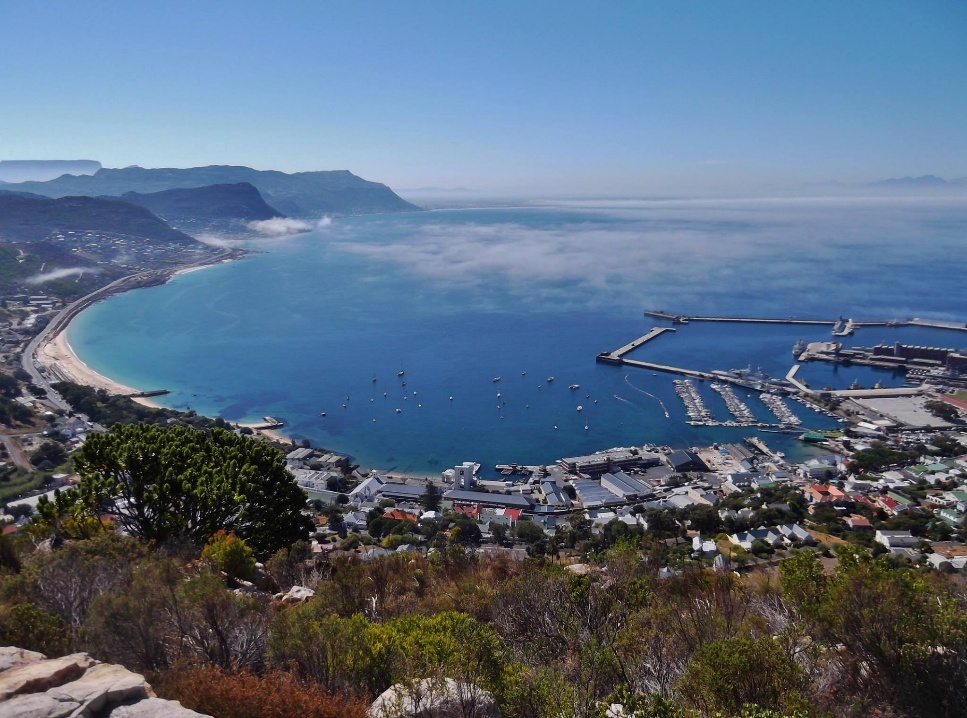
Simon’s Town, located on the eastern flank of the southern Cape Peninsula in South Africa’s Western Cape, is a site of profound historical, strategic, and ecological significance. Embraced by the sweeping arc of False Bay and framed by mountainous terrain and a biodiverse marine environment, the town embodies a rare confluence of natural beauty, living history, and maritime heritage.
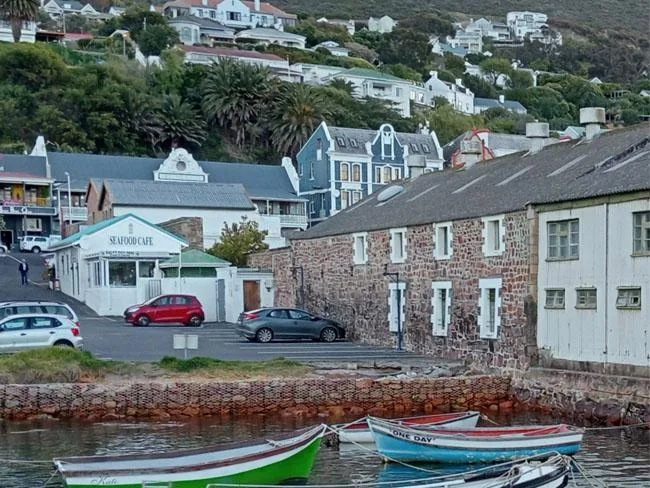
This proposal seeks the inclusion of Simon’s Town on the UNESCO World Heritage Tentative List in recognition of its outstanding universal value. The town’s famed “Historic Mile” (a recognised Heritage Protection Overlay Zone) features a remarkably intact and densely concentrated collection of 18th and 19th century buildings that remain in daily use, forming a vibrant living archive of colonial and post-colonial architecture. As the seat of the South African Navy and a crucial British Royal Navy base before that, Simon’s Town has served for over two centuries as a strategic maritime hub at the crossroads of international trade, military, and oceanic exploration.
We would appreciate it if you would complete the comments form which can be accessed by clicking the link at the bottom of the FAQs page.
 |
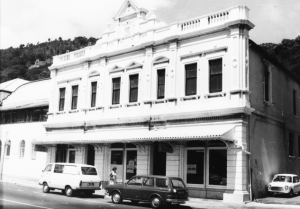 |
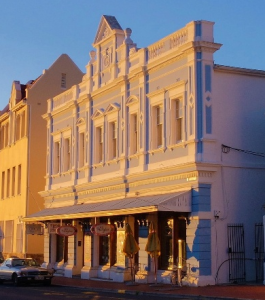
Runciman Building, St George’s Street
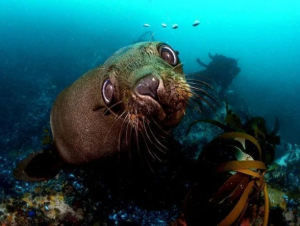
Beyond its cultural heritage, Simon’s Town lies within a globally significant marine ecosystem as well as being situated within the magnificent Cape Floral Kingdom; itself a proclaimed UNESCO World Heritage Site. It is one of the few locations worldwide where all the Marine Big Five – whales, dolphins, seals, sharks, and penguins – can be observed up close. It also forms part of a designated Hope Spot, a global recognition by Mission Blue for areas critical to ocean health and biodiversity.
Simon’s Town thus presents an exceptional and multidimensional case for UNESCO recognition: as a unique historical precinct, a living naval and architectural heritage site, and a biodiverse marine sanctuary of international importance.
2. Geographical Location
- Country: South Africa
- Province: Western Cape
- Coordinates: Approximately 34.1868°S 18.4253°E (Railway Station)
- Description: Located on the eastern side of the Cape Peninsula along the False Bay coastline, 40 km south of Cape Town.
- Boundary: Encompasses the Historic Mile (town centre), Simon’s Town harbour and naval base, Boulders Beach, and adjacent marine areas within False Bay, including the Table Mountain National Park Marine Protected Area.
3. Description of the Property
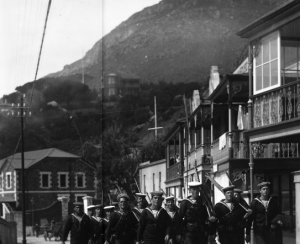
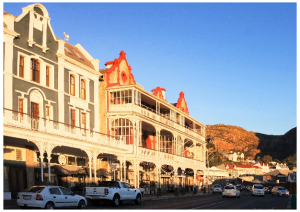
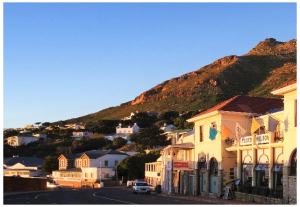
Simon’s Town is a coastal settlement where cultural heritage and biodiversity converge. The Historic Mile, a 1 km stretch through the town centre, features one of South Africa’s best-preserved and densest collections of 18th and 19th century architecture, including Dutch, British colonial, and Cape Victorian styles. Buildings such as Admiralty House, Martello Tower, Simon’s Town Museum (dating to 1777) and several buildings in the naval dockyard remain in active use as do other landmark buildings which continue their use as homes, shops, churches, and South African Navy facilities, forming a “living museum” of maritime history.
 |
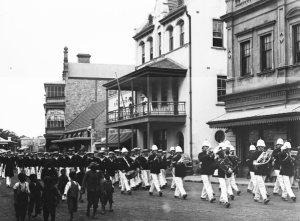 |
This stretch is documented in detail by the Simon’s Town Historical Society (https://simonstown.org/walking-tour/). The architectural legacy reflects the town’s evolution from Dutch control to a major, strategic, British naval base and, subsequently, its current role as the ‘Home of the Fleet’ of the South African Navy.
 |
 |
The town’s naval significance spans centuries, from Dutch occupation (17th century) to a major British Royal Navy base (1814–1957) and it is presently, the largest South African Navy base, providing support functions to Fleet Command. Key landmarks include the rare stone water reservoir off Cornwall Street, Jubilee Square (one of few remaining town squares), the remnants of the aerial ropeway (once a key logistical feature of the town’s mountainous terrain) and Roman Rock Lighthouse, the only offshore lighthouse in South Africa built on a solid rock (completed 1861). Simon’s Town played host to a Boer War prisoner-of-war camp at Bellevue, was visited by Charles Darwin on his return voyage on HMS Beagle, and has received its share of royal visitors over the years, adding layers of political, scientific and symbolic importance to its legacy.
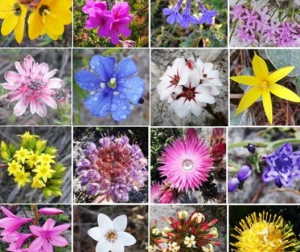
Ecologically, Simon’s Town lies within the Cape Floral Region, a UNESCO World Heritage Site, and boasts its own endemic fynbos vegetation – the rare Serruria hirsuta (Mountain Spiderhead) (https://pza.sanbi.org/serruria-hirsuta). Nearby Boulders Beach, managed by SANParks, hosts a globally significant colony of endangered African penguins (approximately 2,000 individuals). False Bay, a designated Hope Spot (Mission Blue, 2020), supports the Marine Big Five (whales, dolphins, seals, sharks, penguins) and a rich marine biodiversity, including coral reefs and seasonal southern right whale migrations. The coastline is rich with dive spots that support both recreational and scientific engagement.
 |
 |
Together, Simon’s Town’s cultural fabric and its surrounding natural ecosystems form a cohesive and exceptional landscape of historical continuity and ecological importance.
4. Justification for Inscription
Simon’s Town meets the following UNESCO World Heritage criteria for Outstanding Universal Value (OUV):
- Criterion (ii): Exhibits an important interchange of human values over time in architecture and technology. The Historic Mile blends Dutch, British, and Cape architectural styles, reflecting cultural exchanges driven by maritime trade and colonial transitions (17th–20th centuries). The naval base’s evolution from sail to modern warfare technology underscores global naval advancements.
- Criterion (iv): An outstanding example of a technological ensemble illustrating significant stages in human history. The naval dockyard, Martello Tower, and Admiralty House exemplify colonial-era naval infrastructure, while their continued use by the South African Navy bridges historical and modern maritime defence.
- Criterion (vii): Contains superlative natural phenomena and is of aesthetic importance. False Bay’s dramatic coastline, framed by mountains and vibrant marine life (e.g., penguins, whales), offers exceptional scenic beauty.
- Criterion (x): Contains significant habitats for biodiversity conservation. The marine protected area supports endangered African penguins and other species, forming part of a globally recognized Hope Spot, critical to ocean health.
5. Comparative Analysis
Simon’s Town is unique in combining a living maritime heritage precinct with a biodiverse marine ecosystem. Comparable sites include:
- Greenwich, UK (UNESCO): Shares maritime and naval history but lacks Simon’s Town’s ecological dimension and living town context.
- Stone Town, Zanzibar (UNESCO): Features a living coastal heritage but does not integrate biodiversity as prominently.
- Robben Island, South Africa (UNESCO): Focuses on historical significance (apartheid era) but lacks a continuous habitation or marine biodiversity component.
Simon’s Town stands out for its active naval use, community-driven heritage preservation, and proximity to a globally significant marine ecosystem, addressing under-represented maritime heritage categories on UNESCO’s list.
6. Statements of Authenticity and Integrity
Authenticity
Simon’s Town retains high authenticity in its architectural and maritime heritage. The Historic Mile’s buildings preserve original facades, materials (e.g., stone, timber), and functions (e.g., naval offices, shops, residences). The South African Navy’s ongoing operations maintain the town’s maritime traditions. Community-led initiatives, such as the Simon’s Town Historical Society’s tours and exhibitions, ensure accurate historical interpretation. Additionally, volunteer-led and driven projects such as the newly installed SAS Assegaai Submarine Museum, which plans to extend to several additional vessels, providing the visiting public with a unique showcase of naval technology.
Integrity
The historic precinct’s physical layout is intact, protected by the Heritage Protection Overlay Zone (HPOZ) under South Africa’s National Heritage Resources Act (1999). The Simon’s Town Architectural Advisory Committee enforces conservation guidelines. However, limited funding for government-owned buildings poses a maintenance challenge.
The natural environment, managed by SANParks, retains ecological integrity, though False Bay faces pressures from pollution and climate change. The marine protected area and Hope Spot designation support ongoing conservation efforts.
7. State of Conservation and Factors Affecting the Property
Conservation Status
-
- Cultural: The Historic Mile is well-preserved, with active restoration by private owners and the Navy, although the latter is somewhat lacking due to budgetary constraints. The Simon’s Town Historical Society documents and monitors heritage assets.
-
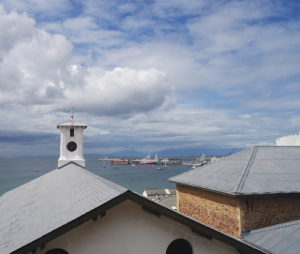
A successful collaboration between the SA Navy Museum and two Historical Society members has resulted in the restoration, to full function (original mechanism intact), of what is thought to be the oldest working tower clock of its kind in the whole of the southern hemisphere.
- Natural: Boulders Beach and certain protected stretches of the False Bay coastline are managed by SANParks and the Table Mountain National Park, with penguin conservation programs in place.
-
-

Factors Affecting the Property
-
-
- Funding: Limited resources for public heritage buildings and conservation bodies.
- Environmental: Sewage pollution and climate change threaten marine biodiversity.
- Tourism: Increased visitor numbers at Boulders Beach requiring sustainable management.
-
8. Protection and Management Measures
-
-
- Legal Protection: Governed by the National Heritage Resources Act (1999) and HPOZ regulations. Boulders Beach and marine areas fall under the National Environmental Management: Protected Areas Act (2003).
- Management Plan: A tentative plan involves collaboration between the South African Navy, SANParks, the Simon’s Town Civic Association, and the Historical Society. Future steps include securing international funding and developing a sustainable tourism strategy.
- Stakeholder Consultation: Stakeholders to be engaged include local communities (e.g., Simon’s Town Civic Association), indigenous groups (e.g., Khoisan representatives), NGOs (e.g., Mission Blue), the SA Navy, and others. Public forums and workshops still to be held.
-
9. Community Involvement
Simon’s Town benefits from strong community custodianship. The Simon’s Town Civic Association advocates for upkeep and preservation as well as sustainable development. The Historical Society and Naval Heritage Trust lead volunteer efforts in documentation, tourism, and preservation. Environmental NGOs, local schools, and other groups support marine clean-ups, penguin conservation, and cultural narratives. The South African Naval Museum and Simon’s Town Museum engage residents through educational programs. Public participation is facilitated through HPOZ advisory processes and civic forums.
Significantly, Simon’s Town is home to the historic Nooral Islam Mosque, a National Monument in Thomas Lane which was established in the late 1800’s and which has its own intriguing and vibrant history, as well as serving as a reminder of the thriving Muslim community who lived in Simon’s Town prior to the forced removals. It is imperative that the voices of those affected by past injustices be heard, in consultation, during the application process.
10. Conclusion
Simon’s Town is a rare coastal settlement where maritime heritage and marine biodiversity intertwine. Its living Historic Mile, active naval base, vibrant museum ecosystem and globally significant ecosystem offer a compelling case for UNESCO Tentative List inclusion. Recognition will support conservation, community engagement, and sustainable tourism, preserving this unique South African treasure for future generations.
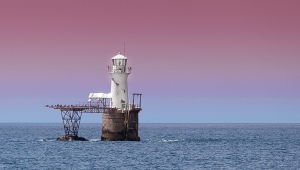
Roman Rock Light House
UNESCO Tentative List Community Information
Frequently Asked Ǫuestions (FAǪ)
What is the UNESCO Tentative List?
The Tentative List is South Africa’s official inventory of places that might be nominated to become a
UNESCO World Heritage Site. It is the first step in the process and does not mean the site is already listed.
Does being on the Tentative List change anything for residents or businesses?
No. It does not change ownership, zoning, or land-use rules. No new restrictions apply at this stage.
Will there be costs for local businesses or households?
No. There are no costs to residents or businesses from being on the Tentative List. The process is coordinated and funded by government.
What are the potential benefits?
-
-
- International recognition and prestige
- More opportunities for tourism
- Possible funding for conservation and community projects
- Local pride and education opportunities
-
Could World Heritage status restrict development?
UNESCO does not impose restrictions. If nominated, South Africa must prepare a Management Plan balancing heritage protection with local needs. Any changes would go through public consultation and South African law.
How are local people involved?
Community input is essential. Surveys, workshops, and meetings give everyone a voice. UNESCO requires evidence of community support.
What if people object?
Concerns are taken seriously. Strong opposition may result in changes, delays, or withdrawal of the proposal.
Who makes the final decision?
The Department of Forestry, Fisheries and the Environment (DFFE), with SAHRA, local government, and stakeholders. Cabinet must approve any formal nomination.
What happens next?
At this stage, community views are being collected through this survey and public forums. Your feedback helps shape the process.
Please click on this link to complete the feed back form thank you.https://forms.gle/h636jQpu5QF46m9R6